Bog Bush Cricket Added to Hop of Hope Programme
DATE
19/06/2026
Share This Story On Your Socials!
Bog Bush Cricket Added to Landmark ‘Hop of Hope’ Citizen Rewilding Programme!
New expansion builds on nationally recognised success restoring the large marsh grasshopper across East Anglia
We recently announced a major expansion to our Hop of Hope programme, adding the bog bush cricket to one of the UK’s most ambitious citizen-led species recovery projects.
The move marks a significant new chapter for Hop of Hope, which has already helped restore the large marsh grasshopper, Britain’s largest grasshopper, to wetlands across Norfolk and Cambridgeshire. Using an innovative model that trains volunteers, known as Citizen Keepers, the threatened insects are raised at home before releasing them into carefully selected wild sites.
Since the programme began in 2018, more than 8,000 large marsh grasshoppers have been reared and released across seven sites in East Anglia. The project has already demonstrated signs of long-term success, with self-sustaining populations now established at key reintroduction sites and the species returning to parts of its former range after decades of absence.
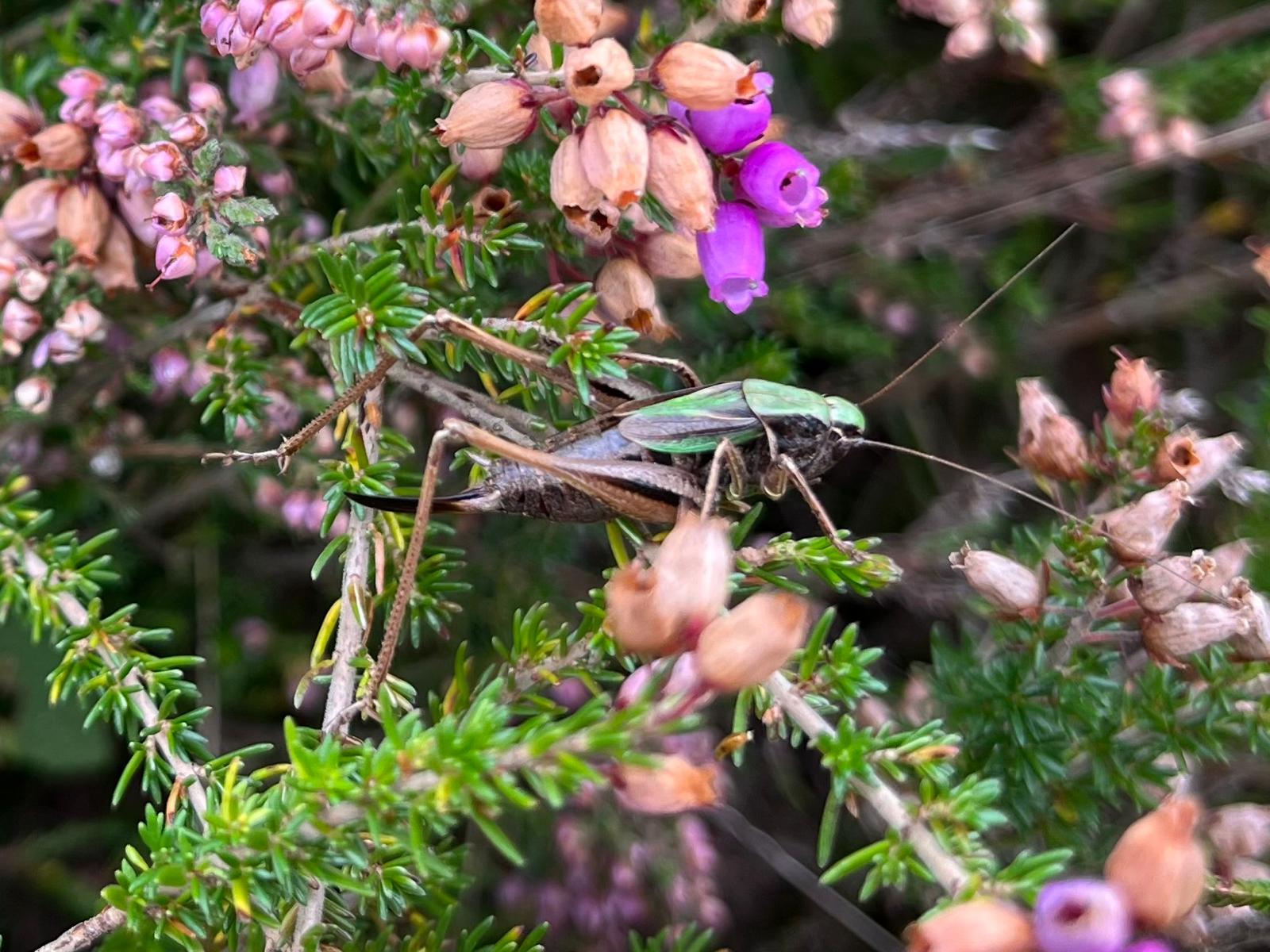
Now We’re turning our attention to another threatened wetland specialist: the bog bush cricket.

Like the large marsh grasshopper, the bog bush cricket has suffered from the widespread loss and fragmentation of wetland habitats across East Anglia. Once widespread, the species has experienced significant declines and now survives in a limited number of locations.
Drawing on the success with the large marsh grasshopper, we will begin developing a dedicated captive breeding programme for the species. Initial trials are already underway, with the organisation aiming to establish a scientifically robust model that could ultimately support future reintroductions and population recovery efforts.
Elliot Newton, Director of Rewilding at Citizen Zoo:
“We believe everyone has the ability to make a positive contribution to the environment around them. At a time when ecological decline can often leave people feeling powerless, community-led projects like this offer something vital; hope. They show that local people can play a direct role in restoring nature and shaping a wilder future.
We are incredibly excited to apply a similar methodology that has already delivered remarkable success with the Large Marsh Grasshopper to a new species, the Bog Bush Cricket. This project demonstrates that, with the right support and opportunity, communities can become a powerful force for ecological recovery.”
Hope of Hope Lead Entomologist, Dr Stuart Green:
“The Bog Bush Cricket has a scattering of sites in Norfolk, on wet heathland, but it almost always has short wings and cannot fly, so its ability to colonise suitable new sites is very limited. It just needs a little help.”
“The species is more difficult to rear than the Large Marsh Grasshopper because it can be cannibalistic and it has a 2 year life cycle, but we will be testing a few methods that might get around these problems and allow us to rear significant numbers of the bush-cricket for release into the wild.”