
Mapping London’s Hidden Snails
Citizen Science
Surveys

OVERVIEW
A new collaborative project is shining a light on one of London’s smallest and least-known residents - the German Hairy Snail. By bringing together scientists, conservationists, and volunteers, we’re uncovering the hidden biodiversity that thrives along the capital’s waterways.
PROJECT DETAILS
Species: Germain Hairy Snail (Pseudotrichia rubiginosa)
Where: River Thames in London and the River Medway in Kent
Conservation Status: Priority species in the London Biodiversity Action Plan
Threats: Habitat loss
Across London’s rivers and wetlands, Citizen Zoo and partners are working to uncover the story of one of the city’s most overlooked species - the German Hairy Snail (Pseudotrichia rubiginosa). This small but remarkable mollusc plays an important role in healthy river ecosystems, yet its current distribution in London remains poorly understood.
The project brings together Citizen Zoo, the Zoological Society of London (ZSL), London Wildlife Trust, the Conchological Society of Great Britain and Ireland, Greenspace Information for Greater London (GiGL), the Port of London Authority, and other partners to coordinate the first comprehensive survey of the species in the capital. By combining conservation expertise with the enthusiasm of community volunteers, the project will build a clearer picture of where the snail still survives and how its habitats can be better protected.
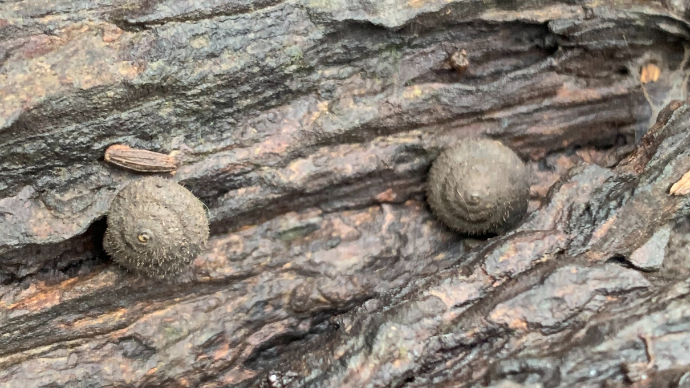
Recognisable by the fine hairs that coat its shell - an adaptation to life along damp riverbanks - the German Hairy Snail is more than a curiosity. It’s a reminder that even the smallest creatures can reveal vital insights into the state of our rivers and wetlands. Through collaboration, research, and citizen science, this project will secure a future for the species while strengthening the ecological resilience of London’s waterways.
How to Identify a German Hairy Snail
Thanks to our partners at the Conchological Society of Great Britain and Ireland for supplying this handy guide for telling the species apart from other similar snails found in and around the River Thames.
Get Involved
Along with our partners, we will be running surveys for between five and ten people to join throughout October. If you’d like to get involved, drop us an email at [email protected] to register your interest.
If you’d like to support this and our wider mission to Rewild Our Future, why not become a member or donate today?
Get involved