
Nature Trail – Water Voles
OVERVIEW
Welcome to Citizen Zoo's Nature Trail! Keep searching around Kingston for more facts about our 12 species - our map can be accessed below. If you would like to support Citizen Zoo's Treasure Hunt and goal to Rewild Our Future, please consider making a donation today or becoming a member (there is further information on how to do this below).
Water voles are known as ‘ecosystem engineers’ because of the way their burrows change the dynamics of river banks and the effect this has on vegetation.
Water voles have the unfortunate label as Britain’s fastest declining mammal – suffering over a 90% decline since the 1970s – primarily due to invasive predatory mink and habitat destruction.
Water voles are locally extinct on the Hogsmill River, but Citizen Zoo is working to reintroduce them.
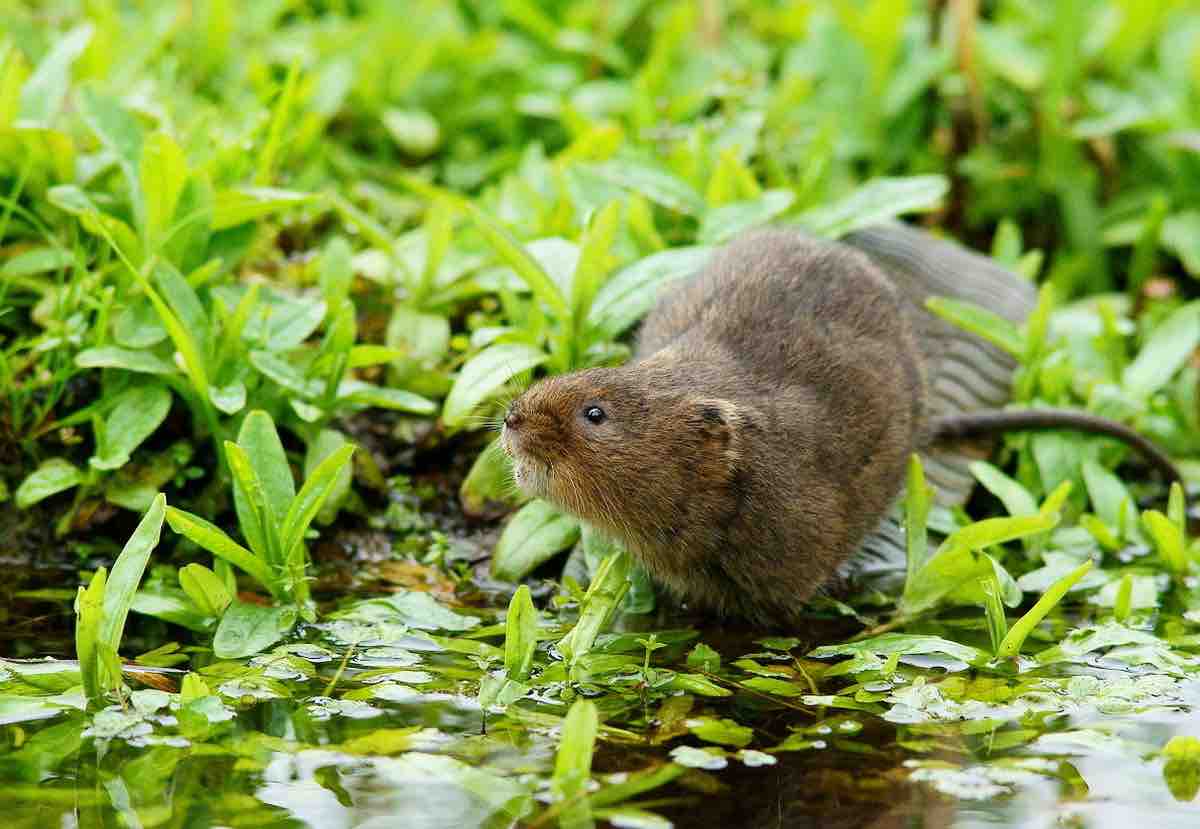
They are Britain’s largest species of water vole and are sometimes mistaken for brown rats.
They reach between 14–22 centimetres in length and have a tail that is about half the length of their body.
Water voles burrow into the banks of rivers or water bodies using their large incisor teeth to create burrow systems.
Their tunnels have multiple entrances, some even below the water level.
The female water vole occupies a territory of about 70 metres of river bank.
They leave food stores by the edge of the water, cutting down pieces of vegetation with their teeth, which have a 45° at each end and are between 4-10cm long.
Despite being ‘semi aquatic’, they are not well adapted to living near water as they don’t have webbed feet and can’t stay underwater for long.
Water voles make handy prey for lots of predators including owls, pike, foxes, hawks, otters and even rats!
Water voles eat over 200 different species of plant.
Get involved